
Self Esteem
Recognizing Our True Nature: Radical Acceptance Chapter 12
September 14, 2026
— CHRISTINE SPARACINO

Can you believe it? We made it to the end of this endeavor that we started twelve weeks ago.
This week, we read Chapter 12: Realizing Our True Nature in Radical Acceptance by Tara Brach.
In case you missed Chapter 11, you can catch up here.
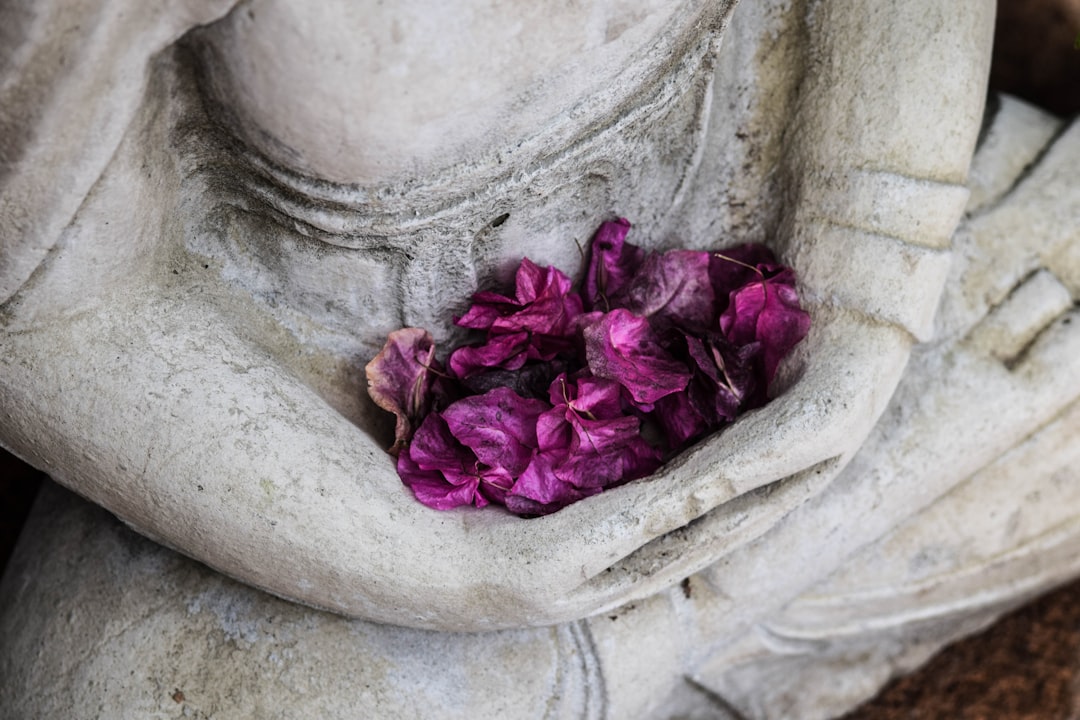
Brach starts Chapter 12 with a story from Indian legend about a deer who detects a sweet fragrance and sets out to find the source. The deer travels the world in search for the smell, exhausted and eventually dying at the end of his life. As he died, he realized the beautiful fragrance had been coming from him the whole time.
This bittersweet tale reminds us that what we seek, we possess within ourselves.
“When we are trapped in the trance of feeling separate and unworthy, Buddha nature appears to be outside us….We may spend our lives seeking something that is actually right inside us, and could be found if we would only stop and deepen our attention. But distracted, we spend our live on our way to somewhere else.”
Throughout this chapter, Brach refers to Buddhism and uses words like “spiritually mature” or “spiritual path.” For our purposes, I suggest replacing these with “psychologically healthy.” (Don’t let the religious tone take you away from the message of this chapter.)
She lays out some indicators of what it means to become psychologically healthy (or spiritually mature). These look like:
When we engage in mindful attention, we bring awareness to our experiences. This awareness keeps us connected in moments, rather than falling into the trance of unworthiness. It helps us connect with our true nature.
Brach explains that there is a path of awakening that leads us to awareness. It is a day-to-day practice, instead of a place we arrive at. Through repeated behaviors and choices, we remain on the path.
“When we are in touch with our true nature, we are completely free of the trance. No longer afraid or contracted, we know our deepest essence as the pure, wakeful awareness that beholds, with love, all of creation.”
Brach exposes the self-doubt and perfectionism she lives with, sharing stories about her parenting and interpersonal relationships. In everyday moments, her insecurities were triggered and she became judgmental towards herself.
“I spent huge swaths of time each day believing i was a small self who was falling short and needed to be different in order to be okay.”
She exposes herself in order to help us attend to the areas in our lives where we might be doing the same thing, illustrating how easy it is to slip back into the trance of unworthiness.
We read another story about Gautama Buddha, a merchant who desires to follow a radiant being, but his journey is interrupted by Mara. You may remember Mara from a few weeks ago - it is the god of greed and delusions. Mara tries to scare the merchant to cease his efforts and return back to where he belonged.
“The voice of Mara is the one that urges us to turn against ourselves, to give up the path, convincing us that we are going nowhere.”
Instead of being tricked into the trance, the merchant touches the ground, anchoring himself in truth and continues his journey. As he does, Mara disappears and the doubts, fears, and discouragement end.
“As we connect with what is right in front of us, we realize the true immensity of who we are.”
We all have a Mara, a voice that tries to convince us we are unworthy, deficient, foolish. No matter the culture or religion, this is part of the human experience. We could even call it the inner critic.
Radical Acceptance and the path of awareness does not mean we eradicate Mara or our critic. Instead, we bring all the skills we have learned (self-compassion, mindfulness, pausing-noticing-naming) to help us be aware when the critic’s voice has drowned out our own.
We respond by taking one step and then another, by grounding ourselves in nature, by remembering who we are, by connecting with those who reflect our true self. As we do this, we remember who we really are and what is already within us.
Throughout this book, Brach uses Buddhism as a way to remind us that our true nature is loving and good. She uses spiritual language to communicate her message which you can translate into psychologically healthy if religion and spirituality hang you up.
At times the book can feel like a crash course in Buddhism, but don’t let that trip you. The messages are universal and you can take what fits for you.
She also infuses heavy philosophical concepts in this chapter. It’s best to not get distracted by these but remember what we have learned as we’ve read the past twelve weeks.
When I started this slow read in June, I didn’t realize that I may be the one person who needed the messages the most about self-acceptance and compassion.
As I read each week, I thought of the magic wand we often want in therapy, a neat and pain-free way of arriving at our intended destination. Instead, the work of therapy asks us to circle time and time around key themes, each time hoping to close the boundaries around our pain and woundings.
Just like Radical Acceptance, we remember who we are in the small, repeated returns of mindful awareness.
Even with years of training about the benefits of meditation, I don’t meditate. I have before, but it’s not a ritual that I return to. Instead, I write morning pages.
I started the ritual in 2022 and have continued it diligently. There are many ways to journal and morning pages is just one way.
Over time I have honed my process. Here are my steps:
Consider journaling this week final reflections about finishing the book: what you'd like to remember, what you learned about yourself, what lessons you'd like to take with you.
Take a moment to give yourself credit for reaching the end and think back about the weeks and topics that made the most impact.
That’s it for our Slow Read. I hope you enjoyed the experience.
If you missed Chapter 11, you can read the recap.

